

Tequila began to surge from a non-exported Mexican spirit into a global household name in the 1990s. In 1994, Mexico strengthened tequila’s Denomination of Origin under NAFTA-era trade frameworks, extending legal protection to key export markets (Academia Patrón).
Tequila exports surged as a result, as brands positioned the spirit as both premium and accessible. By the early 2000s, the United States had emerged as tequila’s largest export market, a shift that anchored its global expansion and signaled the spirit’s arrival on the world stage (Tequilana.org).
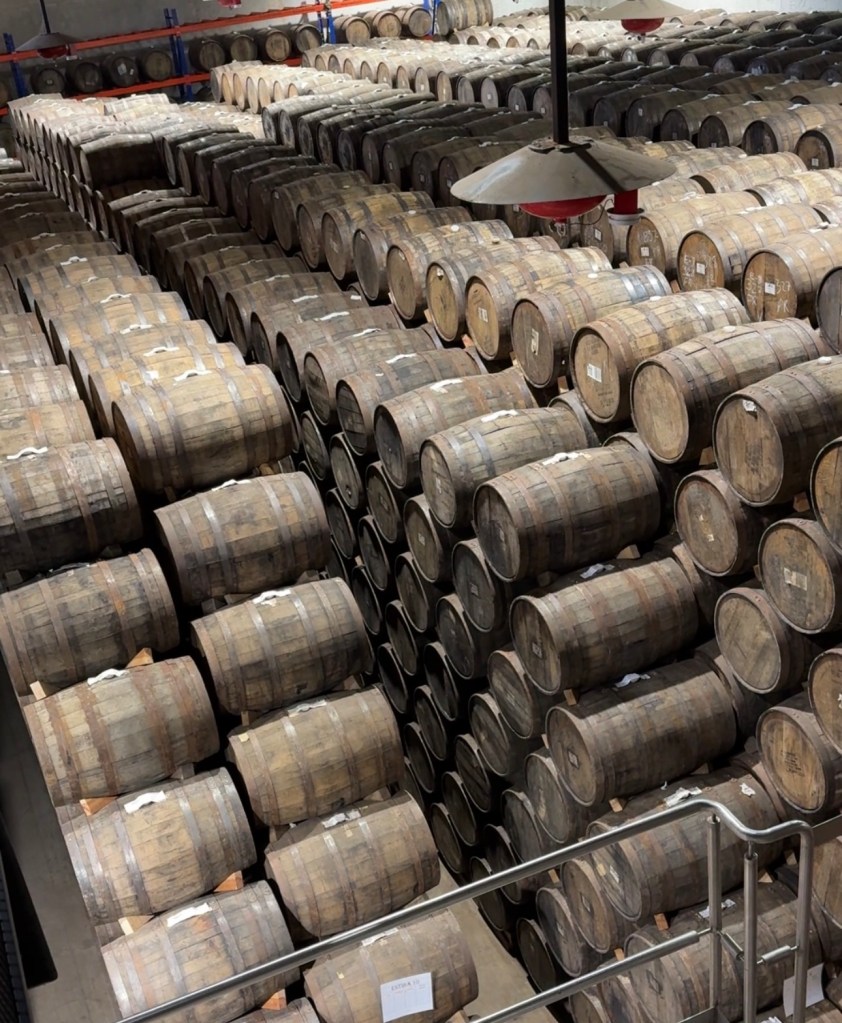
Many countries took notice of tequila because of the United States and its role as a global market leader. By the early 2000s, premium tequila had become increasingly desired by international markets, as countries sought to import the spirit and capitalize on its rising prestige. Tequila became popular in bars, nightclubs, and social events.
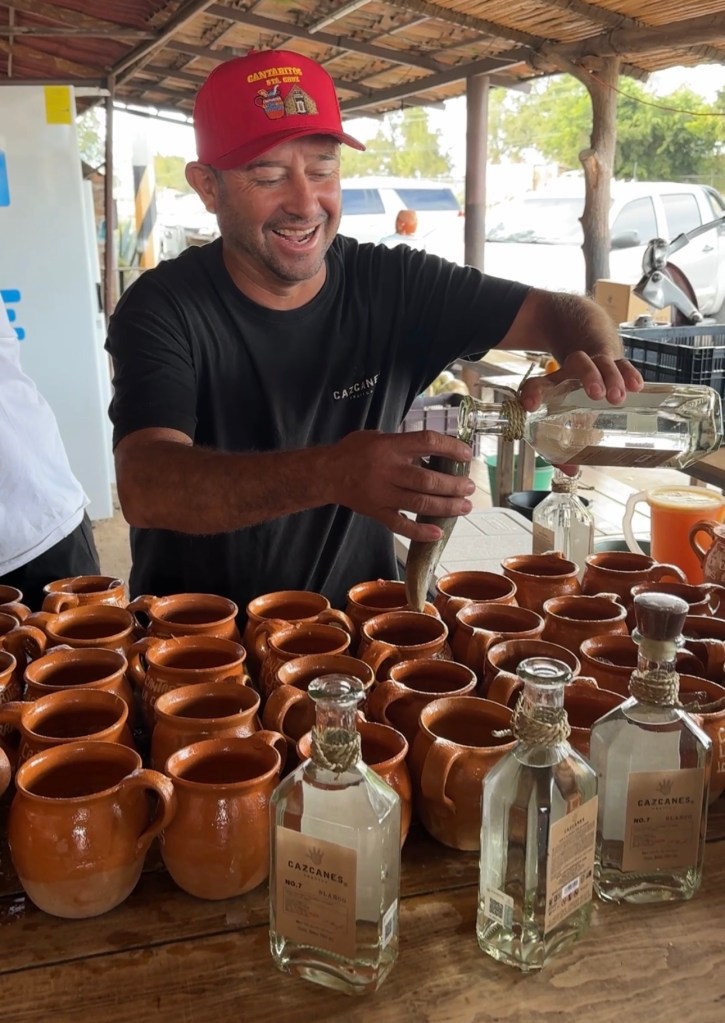
Between 2005 and 2015, tequila entered its first modern “boom.” During this period, tequila producers scaled rapidly, and major producers acquired smaller brands to maintain control over production and territory.
According to industry analysts and data from the Consejo Regulador del Tequila, tequila production expanded dramatically from the early 2000s through the 2010s, reflecting a scale increase consistent with more than a doubling of total output (“The Price of Agave in Mexican States Holding Designation of Origin: Tequila”).
By 2018, premium and ultra-premium tequila had become one of the fastest-growing categories in the global spirits market.
This explosive growth came with consequences that many consumers remain unaware of. Industrialization led to widespread monoculture farming of Blue Weber agave, making it more vulnerable to disease, climate stress, and declining quality.
Agave shortages from 1999 to 2001 and again between 2017 and 2020 caused dramatic price spikes, destabilizing farmers and small producers who relied on agave that had been over cultivated. Large brands and corporations prioritized volume, efficiency, and consistency, which led to diminished flavor and declining quality in order to meet global demand.
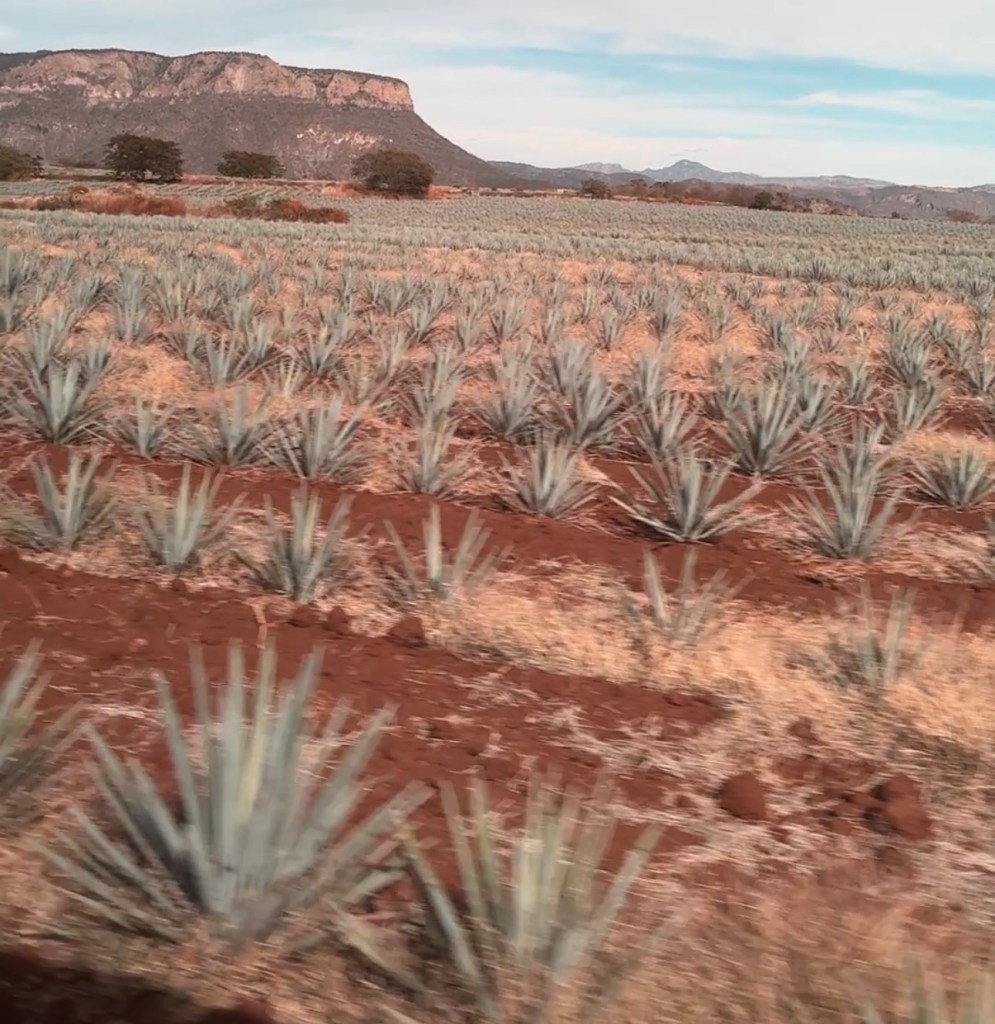
Mezcal is beginning to reach a similar boom point as tequila, but its path will be fundamentally different.
Unlike tequila, mezcal does not rely on a single plant species, but instead draws from more than 40 different agave species scattered across Mexico. Beginning around 2010, mezcal exports entered a period of sustained growth, increasing steadily year after year.
According to industry reporting, mezcal production in Mexico increased by roughly 700% over the past decade as global demand surged, reinforcing the strength of the export market in the United States, Europe, and other regions (CBS News).
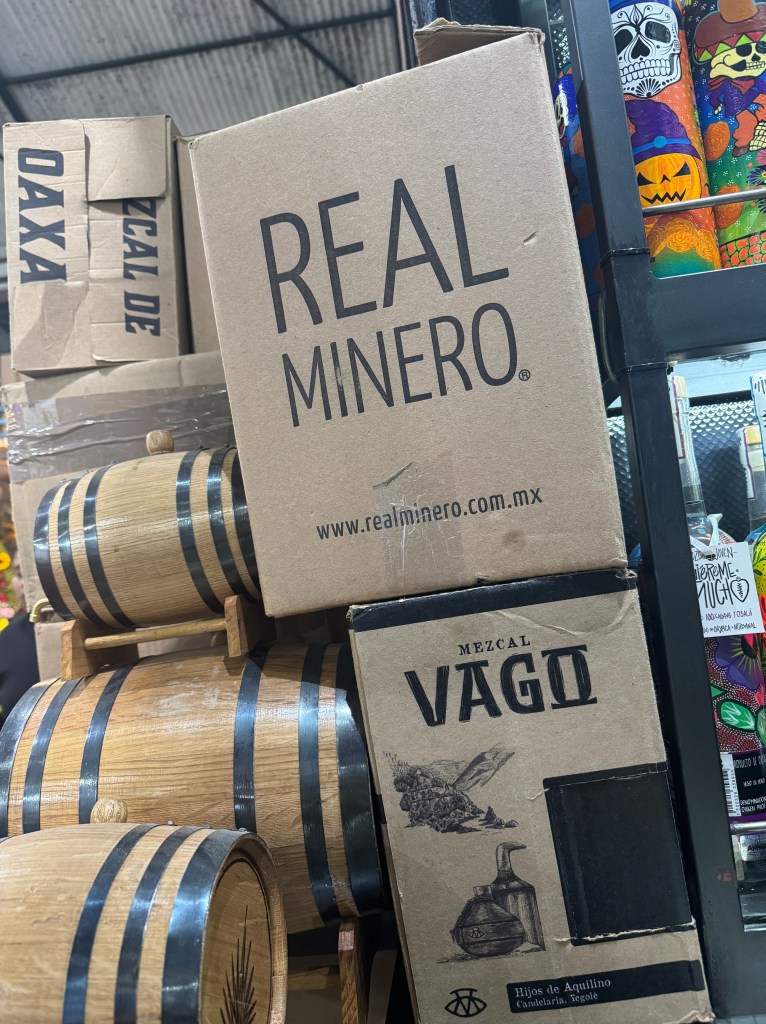
With the United States, Europe, and parts of Asia driving demand, mezcal consumption has continued to grow steadily each year. Mezcal benefits from the consumer education already established by tequila, allowing it to enter global markets at a faster pace than tequila once did. However, mezcal’s production structure is fundamentally different. Unlike tequila’s reliance on a single agave species, mezcal depends on dozens of cultivated and wild agaves, many with decades-long maturation cycles.
This biodiversity is mezcal’s defining strength in the spirits world, but also its greatest source of variability. Rising demand places pressure on wild agave populations and encourages shortcuts in production. This creates a significant challenge for mezcal producers, who must balance increasing demands for volume, consistency, and regulatory compliance.
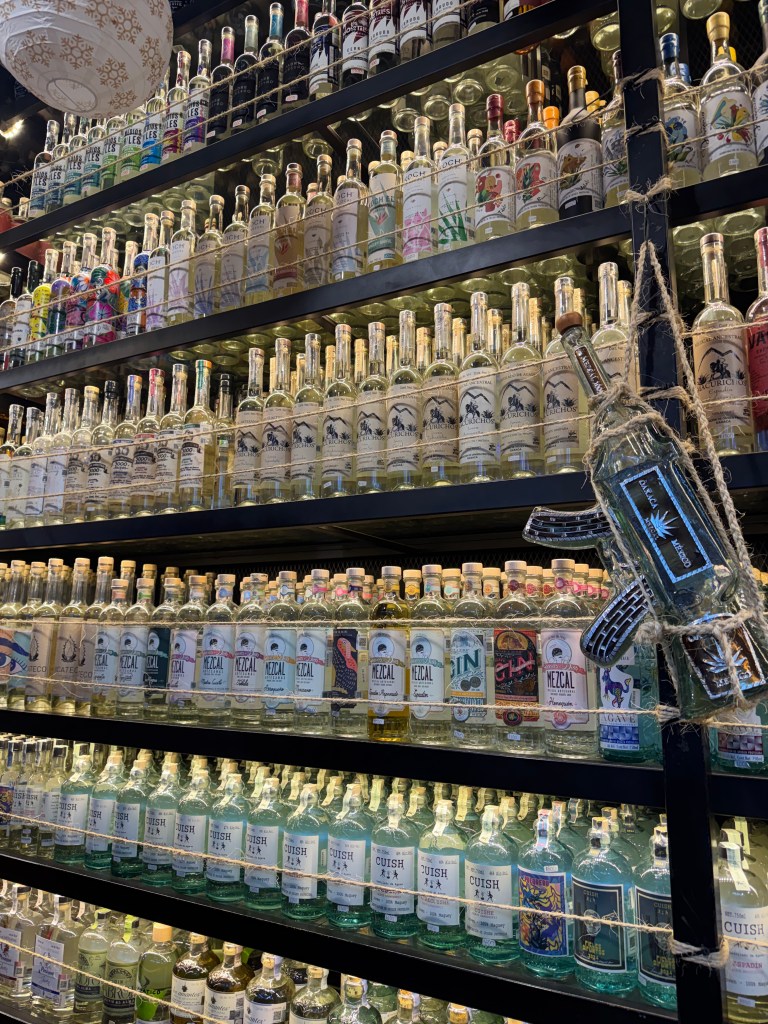
Tequila’s regulatory history serves as both a guideline and a warning for mezcal as it navigates global export markets. While strict denomination rules protected the tequila name internationally, they also centralized power and limited local autonomy.
Mezcal now faces similar regulatory tightening as international demand continues to grow. If mezcal follows tequila’s strict industrial path too closely, it risks sacrificing the cultural foundation that gives the spirit its identity. Conversely, if mezcal resists global integration entirely, it risks economic stagnation and exclusion from international markets, potentially reversing generations of growth.
The future of mezcal is a critical topic that will determine not only its global trajectory, but also its local impact on producers, who are the lifeline of the spirit. Mezcal depends on selective and intentional expansion to achieve meaningful entry into global markets. Tequila demonstrates that global success is achievable, but not neutral. Mezcal is moving along a path similar to tequila’s, though at an accelerated pace and with higher stakes.
The choices made in the next decade will determine whether mezcal becomes a sustainable global category or repeats the cycles of other local spirits that failed to successfully integrate into the global market.
 Planet Mezcal
Leave a comment