

The global demand for mezcal has surged rapidly over the past few years. Once a largely regional spirit overshadowed by tequila, mezcal has transformed into a globally traded product.
Since 2010, mezcal exports from Mexico have increased steadily, particularly toward international markets, as documented in La Economía de la Producción de Mezcal en Oaxaca, México. This growth has attracted international attention, capital, and opportunity to rural communities across Oaxaca and other mezcal producing states.
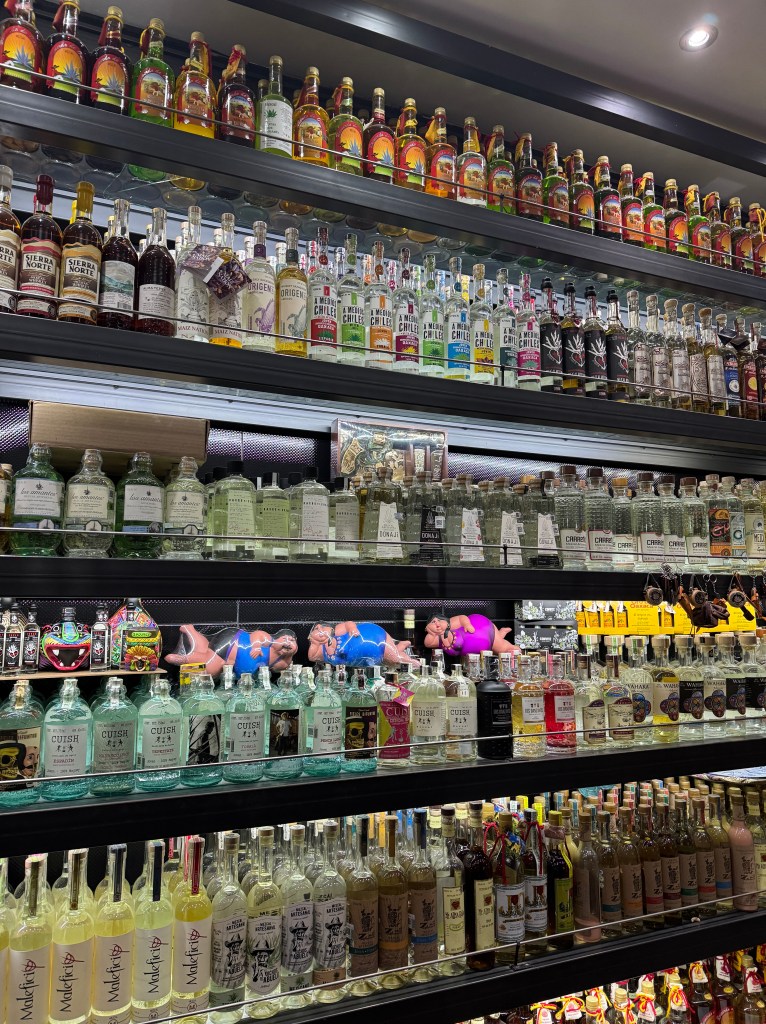
For many producers, global demand has generated economic benefits they had never seen before. Higher incomes can lead to meaningful life changes for mezcaleros, including improved palenques, better equipment, and a higher overall quality of life. According to La Economía de la Producción de Mezcal en Oaxaca, México, mezcal production contributes to employment generation and serves as an important source of income for agricultural households.
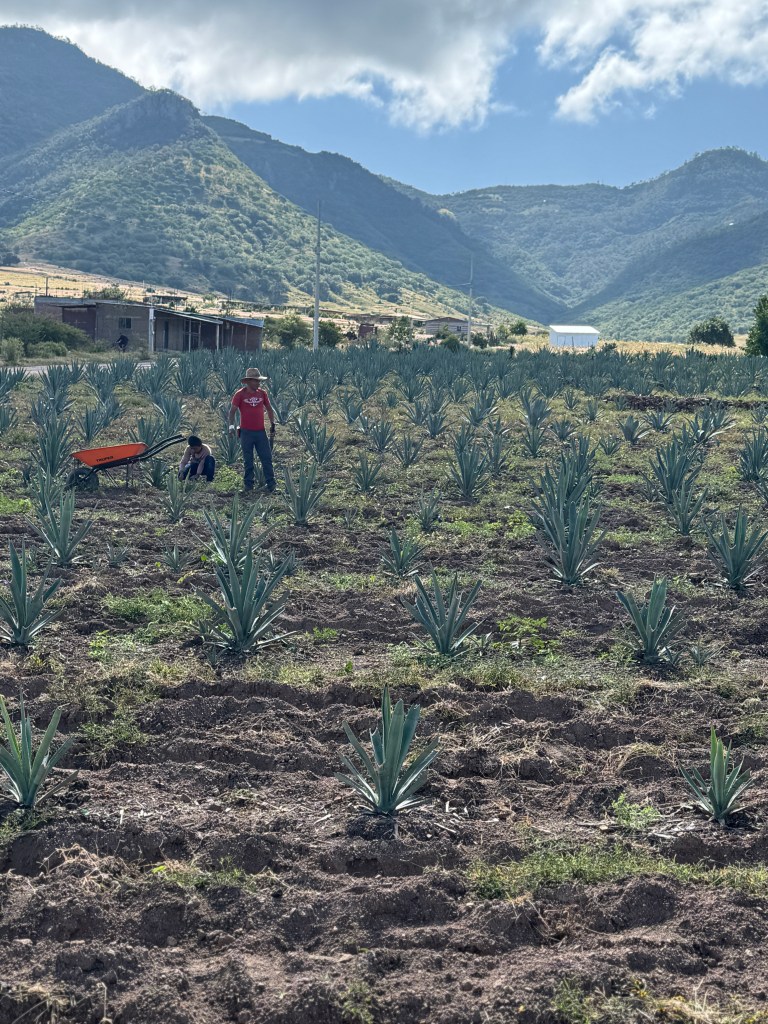
Community owned brands and direct export models have also created pathways for producers to retain control over pricing and storytelling, rather than being absorbed into larger companies. In these cases, global demand can become a tool for local empowerment rather than simple extraction.
However, growth is not evenly distributed. Not every brand or palenque experiences the same level of expansion or financial gain. As demand rises, access to capital becomes a decisive advantage. Large brands and foreign backed companies are often better positioned to secure agave supply, navigate export regulations, and absorb market volatility.
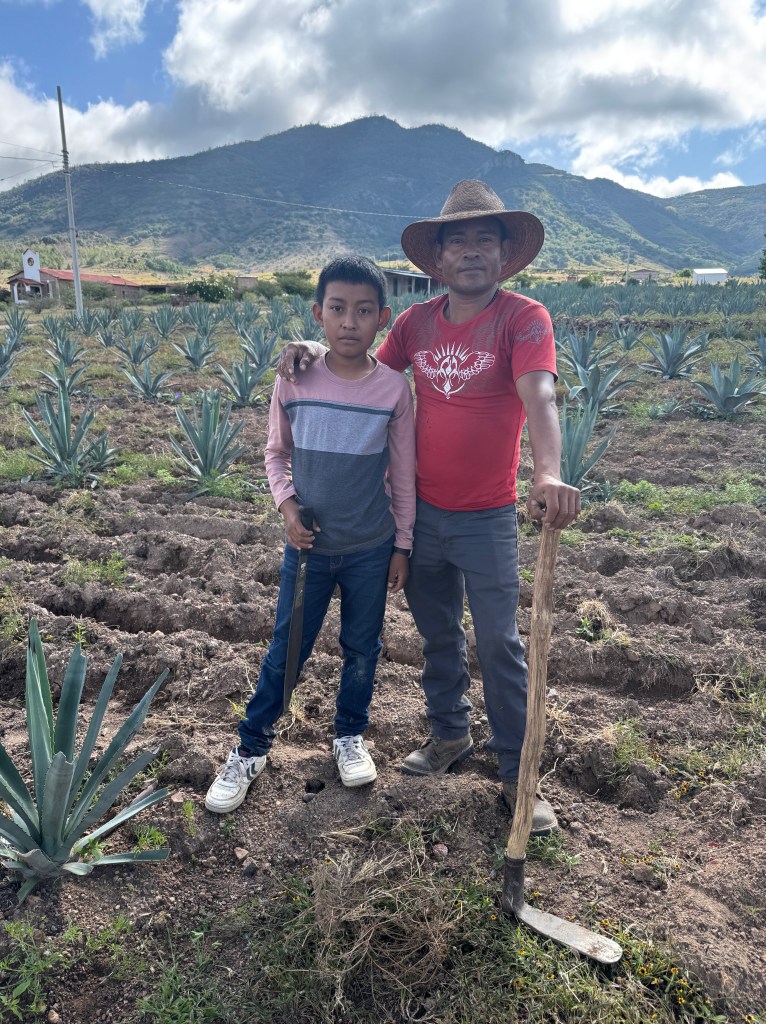
Small producers often lack the resources to compete, even when their mezcal is of higher quality than global brands. This imbalance can push mezcaleros into unfavorable contracts that require them to produce large volumes at low rates in order to sustain their livelihoods. Many are forced to sell mezcal in bulk at very low prices to intermediaries, a dynamic also highlighted in La Economía de la Producción de Mezcal en Oaxaca, México.
Agave pricing further complicates the issue, intensifying existing economic pressures on producers. Rapid demand increases have led to significant price volatility, especially for wild and semi-cultivated agave species.
Farmers may benefit temporarily from surging prices, only to suffer when markets correct. When too many growers plant the same agave species, oversupply can drive prices down and leave farmers holding large quantities of low value agave.
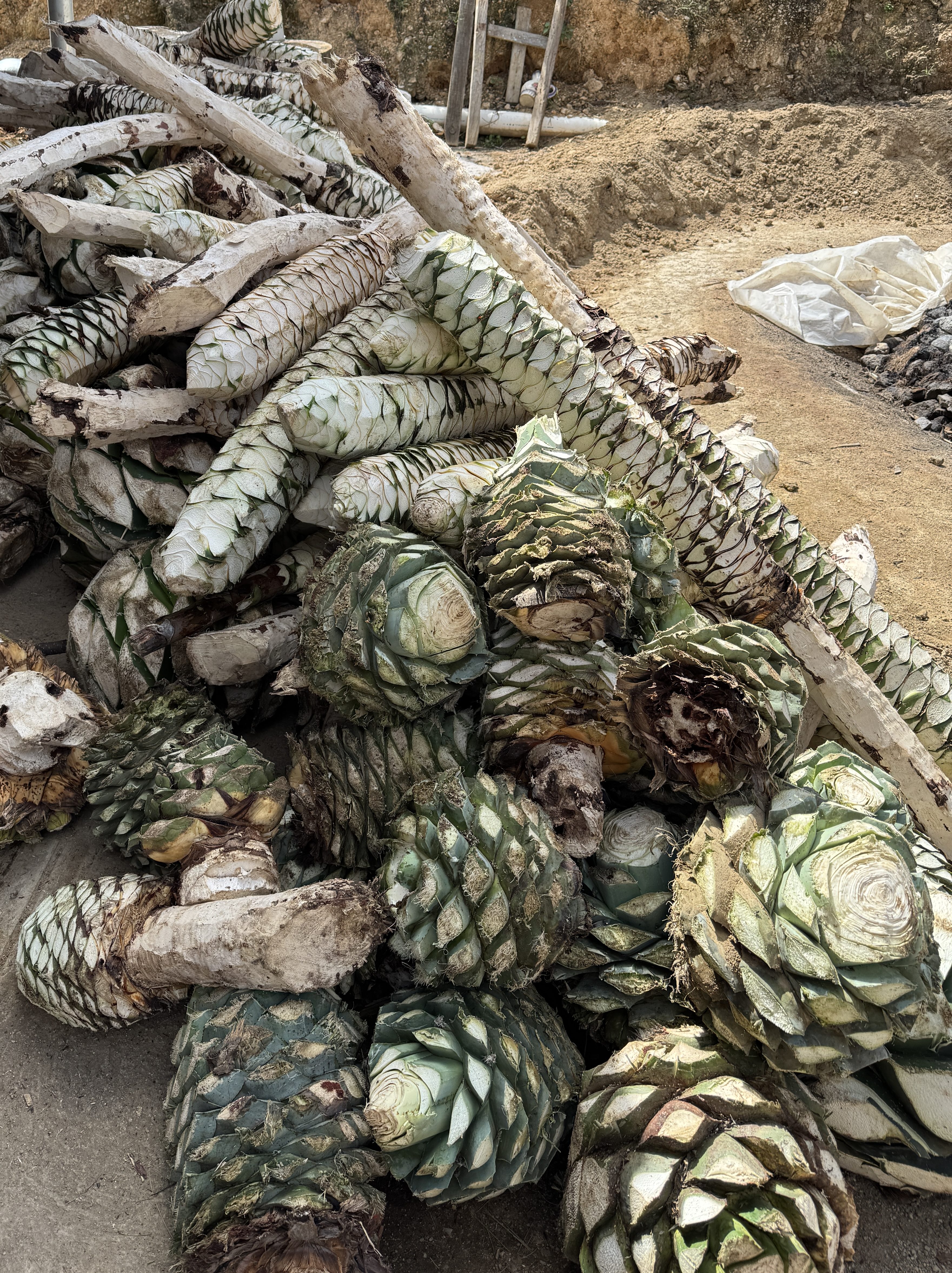
The Food and Agriculture Organization has repeatedly warned that unmanaged demand can undermine long term agricultural sustainability. Labor dynamics also shift under these pressures. Producers may feel incentivized to increase output at the expense of traditional methods, potentially affecting both quality and cultural integrity.
Cultural practices risk being reframed as marketing tools rather than living traditions. In many parts of Oaxaca, mezcal communities provide the raw materials and labor, while a significant share of profits does not return to producers themselves. Organizations such as Oxfam have documented similar value chain inequalities across other agricultural export sectors.
The issue is not global demand, but rather the governance structures that shape it. Transparent pricing, long term contracts and community ownership can counter the extractive dynamics and give small producers a chance to compete with large brands.
Regulatory frameworks that protect producers from extreme pressures and demands is essential.
Consumer education is equally important. When buyers understand production methods, sourcing, and ownership structures, they can support ethical producers rather than hype driven brands.
The real question is not whether global demand helps or hurts mezcal, but who controls its trajectory. If growth is shaped by producers and their communities, mezcal can sustain itself on the global stage in a way that benefits many rather than a few. If driven solely by profit, it risks repeating many of tequila’s past mistakes, including overproduction and declining quality.
Mezcal’s future will not be determined by demand alone, but by how that demand is distributed, governed, and managed.
 Planet Mezcal
Leave a comment