

Mezcal is often understood through the process of production, which includes cultivating, roasting, fermenting, and distilling agave. In reality, the process doesn’t end when the spirit leaves the still. It continues through a long, complex journey shaped by the realities of global trade.
Before reaching mezcal lovers around the world, the spirit must be filtered, rested, and prepared for transport. It also requires proper documentation before it can legally be shipped. Producers decide whether bottling occurs at the palenque or later in the supply chain.
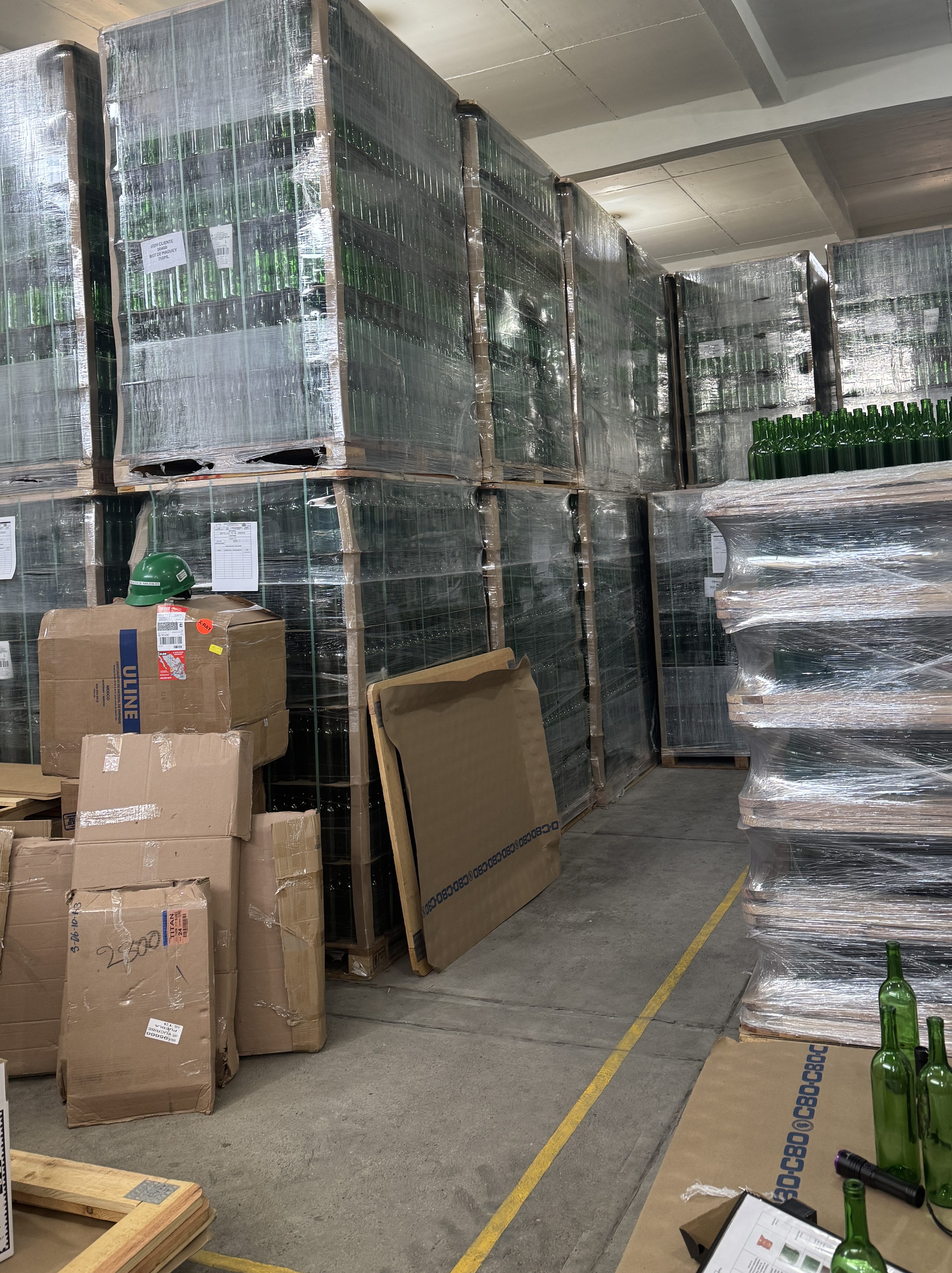
At this point, the spirit moves from local production into an international distribution network involving multiple intermediaries before reaching foreign markets (Maguey Exchange).
Packaging is often decided far from the palenque. An exception is custom or artist-made bottles, which are usually crafted locally and help preserve regional craftsmanship in the final presentation.
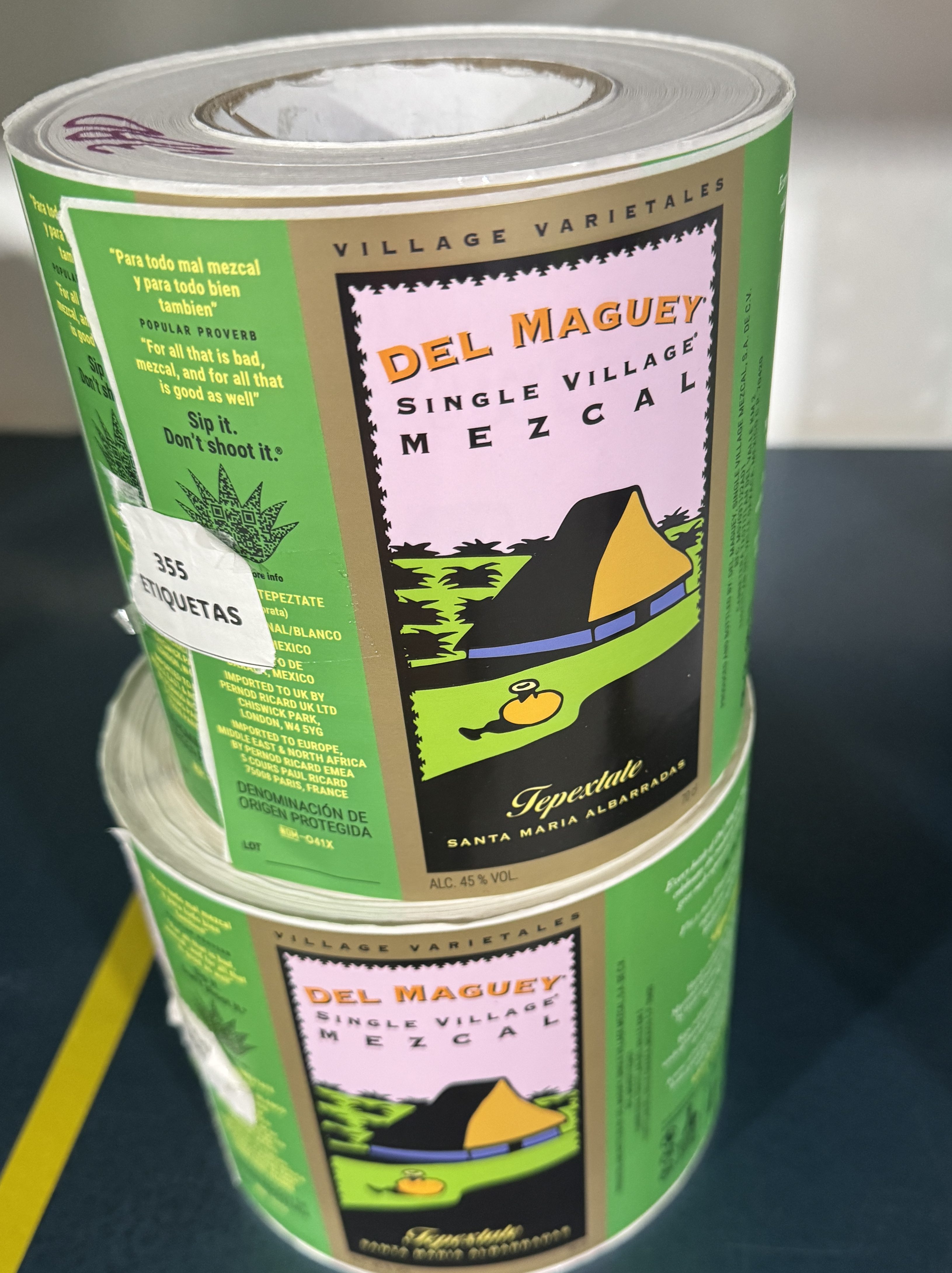
The bottles, corks, capsules, wax, and labels are often sourced internationally, or from other Mexican states rather than the region where the palenque is located.
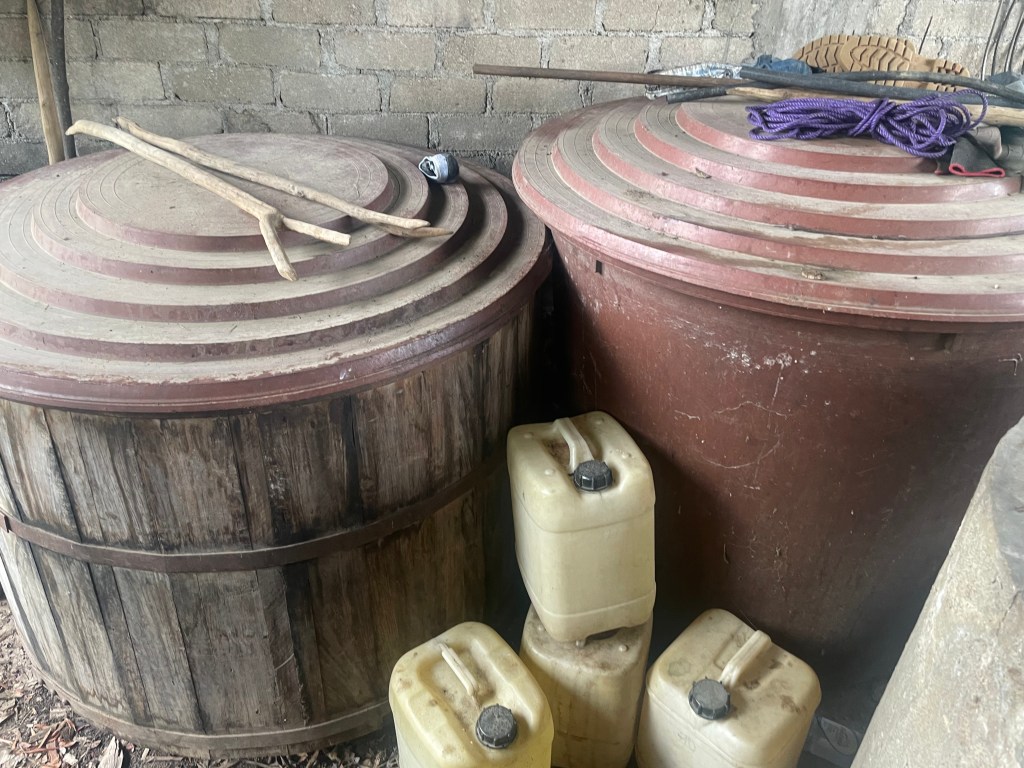
Global glass production operates on a scale that local suppliers often cannot match. According to the Retail Glass Packaging Market Report, East Asia, especially China, leads large volume beverage glass manufacturing, making imported bottles a practical and cost-effective option for many mezcal brands.
This allows smaller mezcal brands to participate in international markets, but it also means the physical presentation of mezcal is shaped outside the place of origin.
This shows how layered mezcal production really is. The spirit is made with local knowledge and tradition, while the bottle and packaging might come from another continent.
Most consumers rarely think about this part of the process, even though packaging influences pricing, branding, and shelf placement. The value of mezcal comes not only from the maestro mezcalero or the type of agave, but also from its design and presentation.
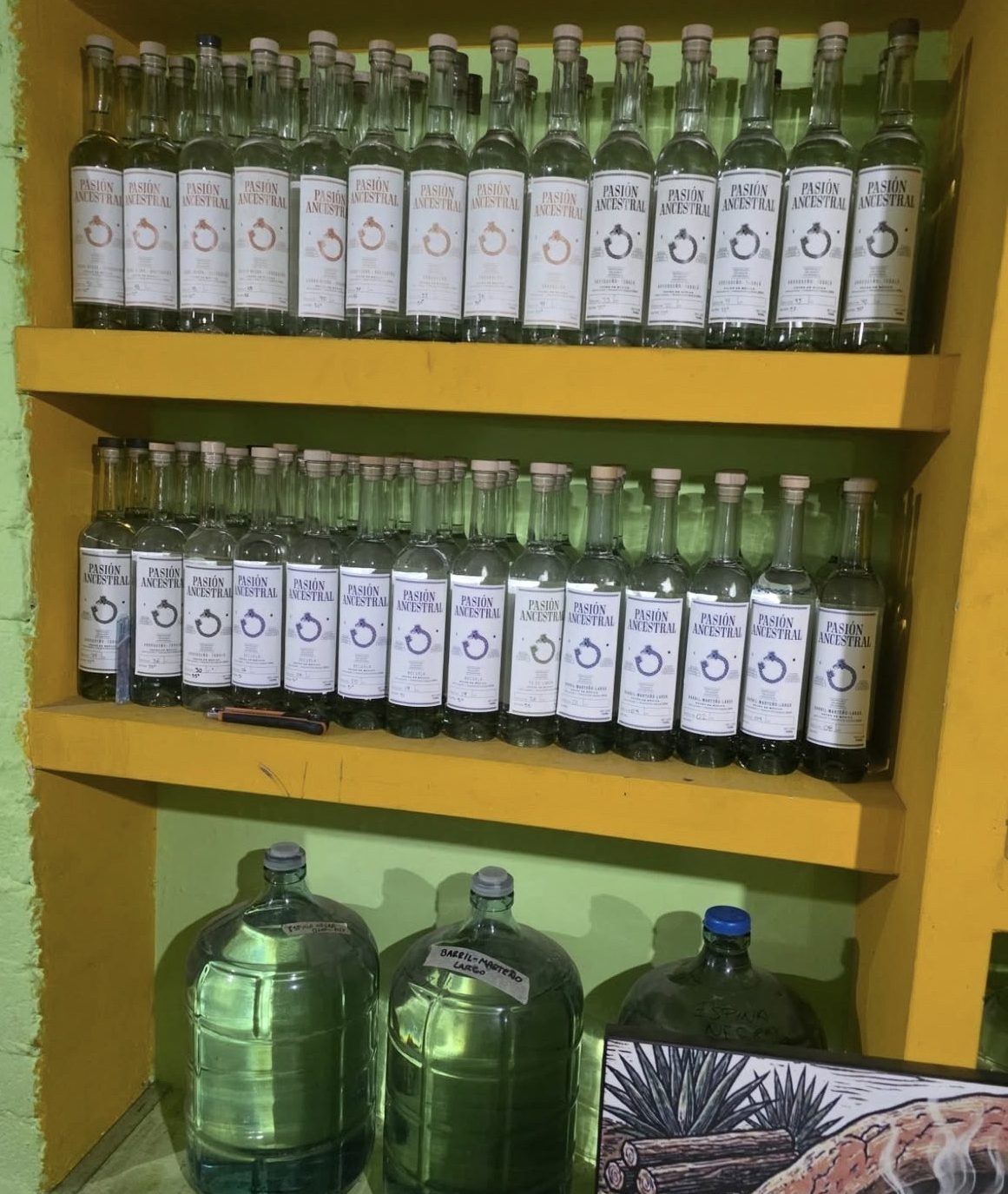
For producers, the outcome is mixed. Access to global packaging and distribution can expand market reach and stabilize demand, while additional value is often created after the spirit leaves the producer’s hands.
The further mezcal begins to move from its place of origin, the more participants in the process start to shape its final price and identity.
There are environmental considerations which arise during the mezcal production process. Shipping heavy glass over long distances increases transportation emissions and costs. Decorative bottles can strengthen brand recognition, but add weight and freight expenses.
According to Lifecycle Assessments of Distilled Spirits Packaging, glass bottle production and transport distance are major contributors to the overall environmental footprint (Beverage Industry Environmental Roundtable).
The packaging decisions therefore become economic choices as well as environmental ones. Once bottled, mezcal enters the international shipping network.
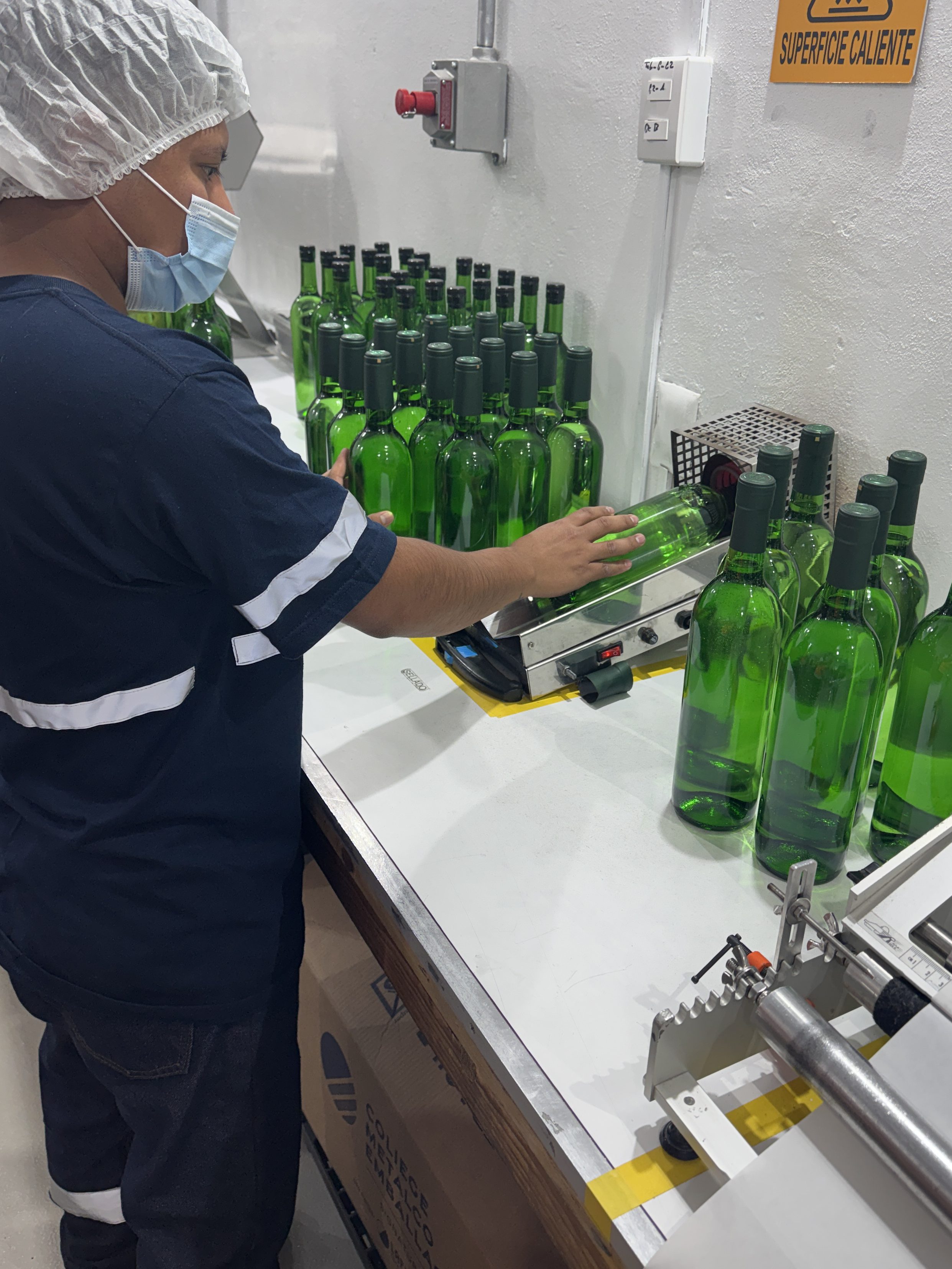
Pallets are transported by truck to Mexican ports and loaded onto cargo ships bound for foreign markets. The travel times can vary from country to country.
Shipments to East Asia can take several weeks and sometimes months, usually when port handling and customs clearance are included. Some routes to parts of Europe may take even longer depending on the destination.
Air shipping is a possibility but for many it isn’t an option because of the cost. The weight of glass and alcohol classification significantly increase shipping prices, making it only reasonable for small samples or urgent orders.
Ocean freight remains the standard method for global distribution of mezcal.
Not all mezcal travels overseas. Shipments to the United States, Canada, or other parts of Latin America often move by truck across the border, allowing for faster delivery at a lower cost.
The journey from palenque to shelf involves multiple stages of transportation, storage, and inspection before the bottle reaches a buyer.
After clearing customs, the mezcal moves through importers and distributors before reaching bars and retail stores. By the time a bottle can be opened, it has passed through farmers, distillers, packagers, transporters, and merchants across multiple regions.
Each bottle represents coordination across a global supply chain even though its identity remains tied to a single place.
Mezcal today stands at the crossroads of heritage and globalization. It’s both a living tradition rooted in place and a spirit moving through global markets.
What happens after distillation does not erase its origins, but it greatly shapes how it is valued, experienced, and understood.
To truly understand mezcal, we must look beyond the palenque and follow its journey across borders, recognizing that its story continues long after the final drop leaves the still.
 Planet Mezcal
Leave a comment