
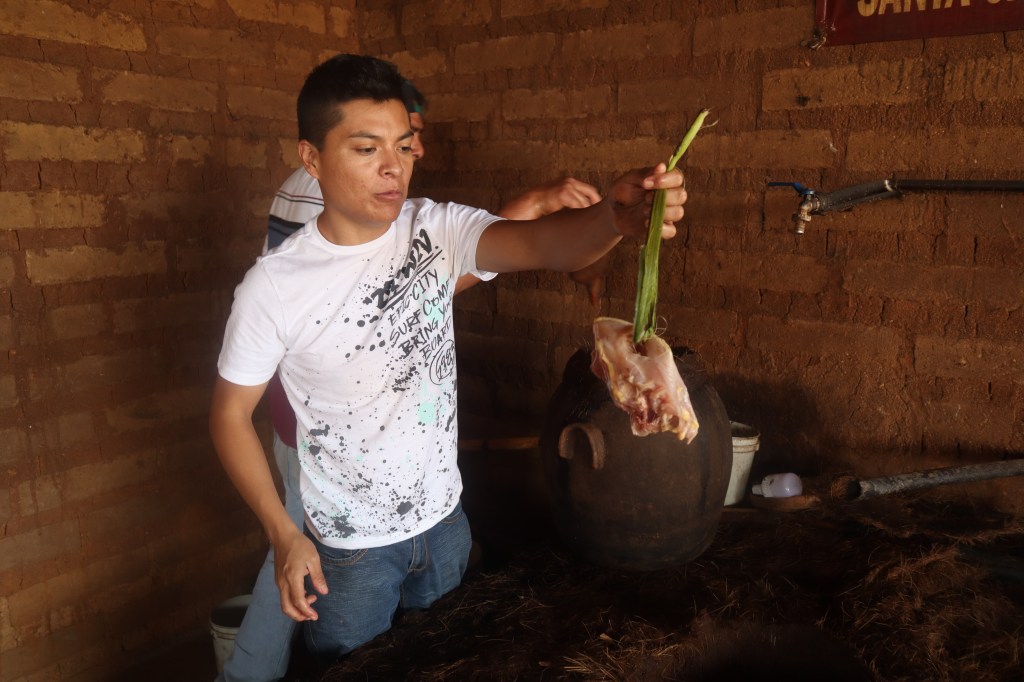

Imagine telling someone that your mezcal was distilled with a turkey breast hanging inside the still, surrounded by walnuts, strawberries, and other fresh ingredients. They might think you’re lying. Welcome to the world of pechuga mezcal.
Pechuga is one of the most fascinating expressions of mezcal, blending traditional distillation techniques with truly unique recipes. Some are made with turkey or chicken. Others experiment with iguana, buffalo, or even deer meat. There are fruit, spice, and botanical combinations that make every bottle a little different.
What Exactly Is Pechuga Mezcal?
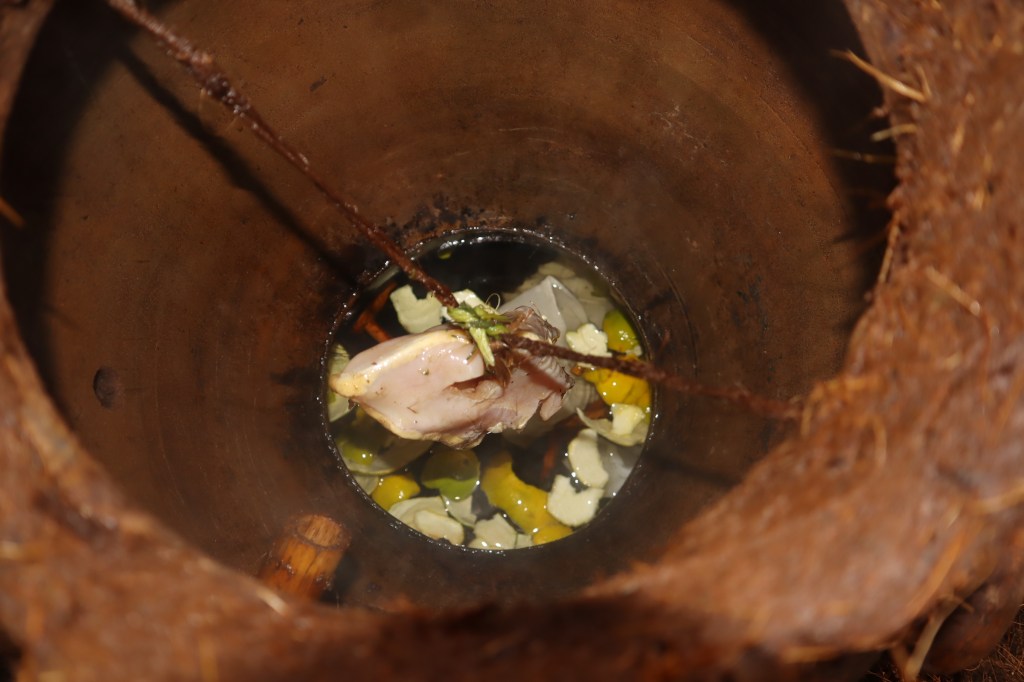
The word pechuga translates to “breast” in Spanish. The name refers to the animal breast traditionally suspended inside the still during a special distillation. Producers may use chicken or turkey, while other expressions incorporate different proteins.
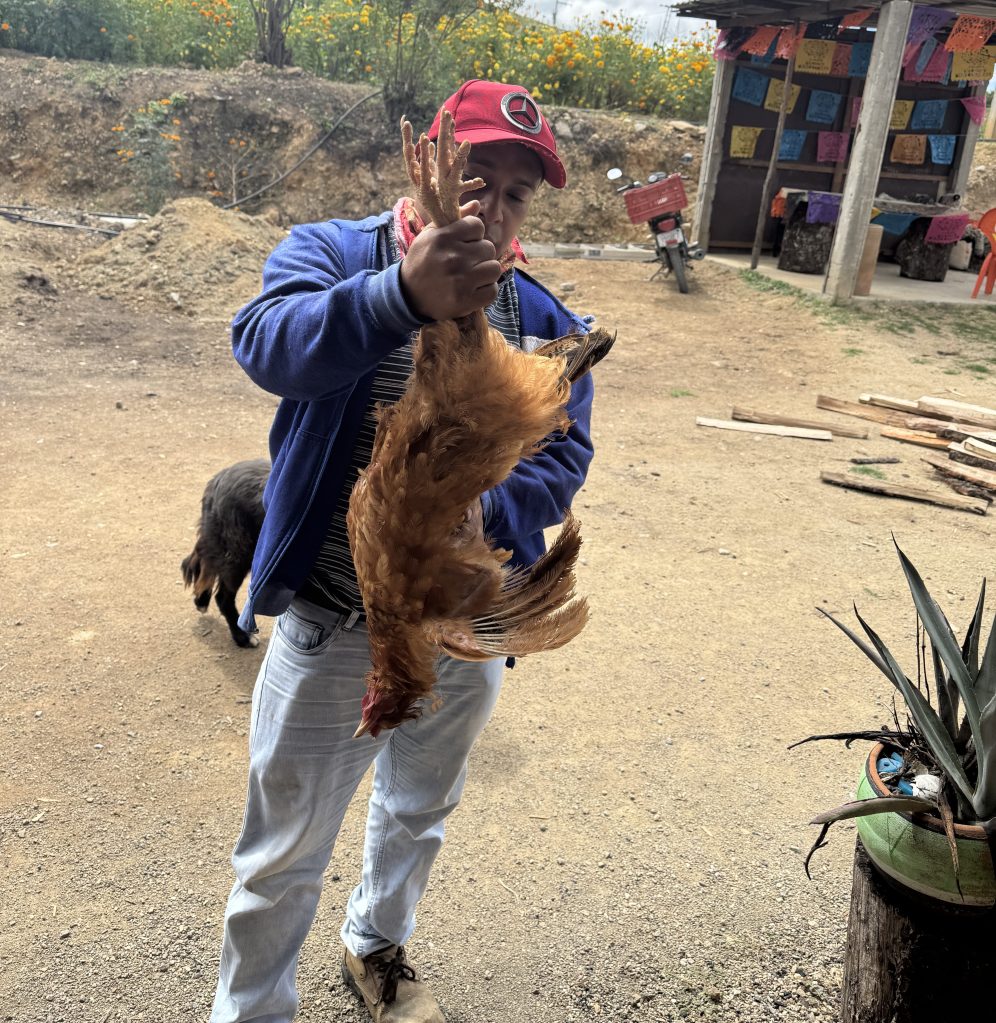
Pechuga does not mean someone is making chicken flavored liquor. It could have been produced only with fruits and other ingredients that doesn’t include meat. That’s right, a pechuga mezcal does not need a protein to be called a pechuga.
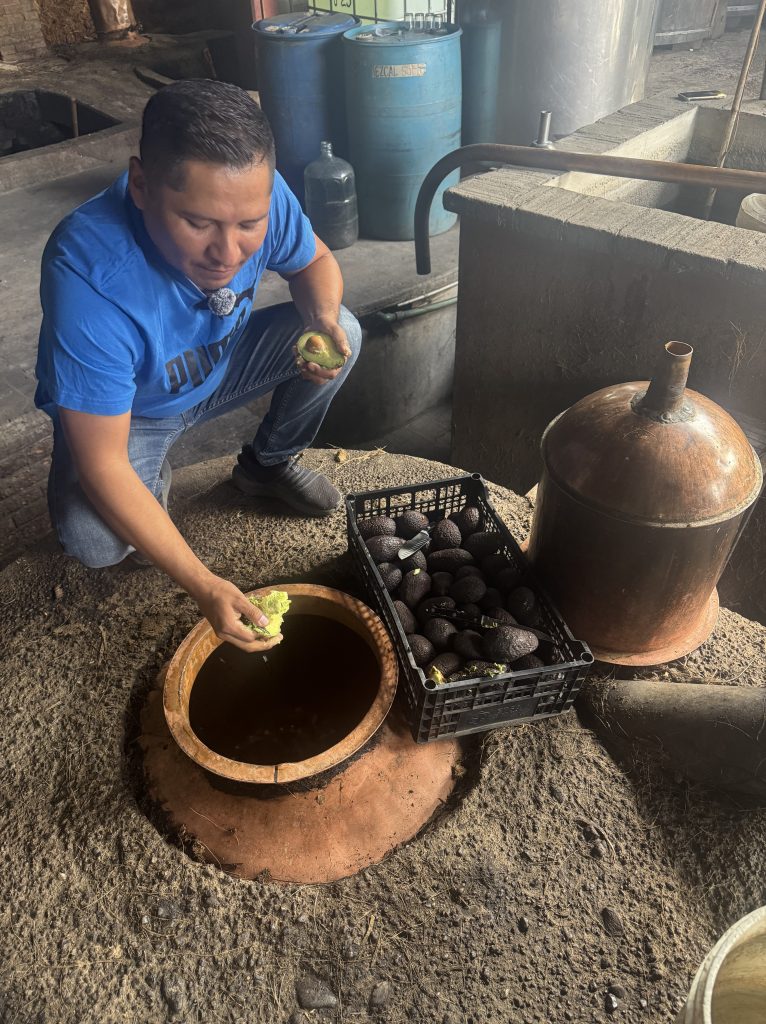
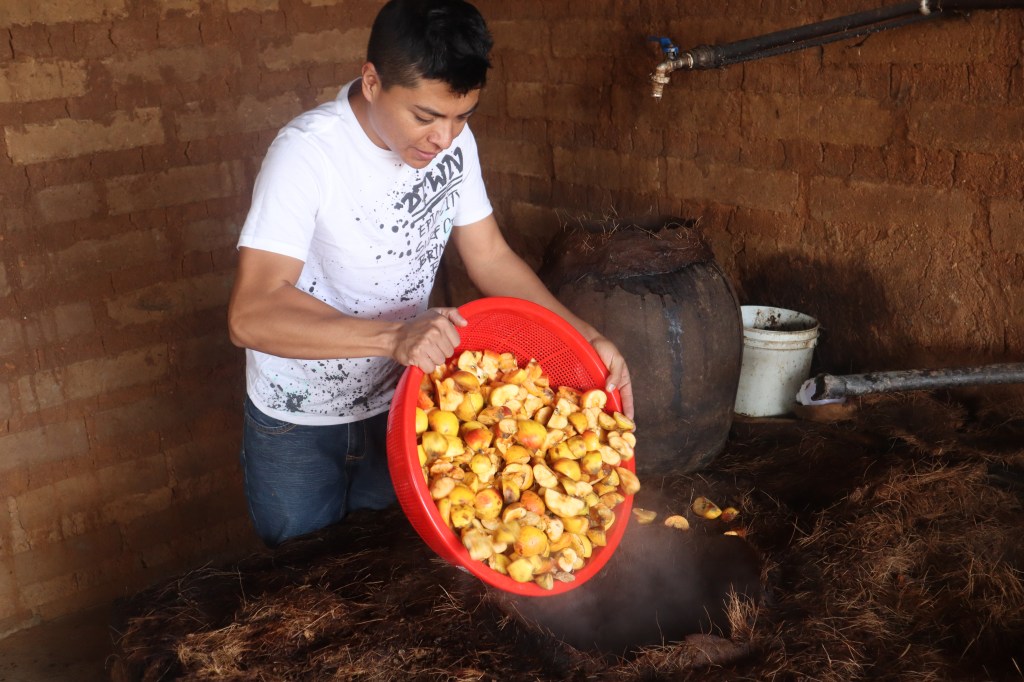
The process typically begins with mezcal that has already been distilled twice. For the additional distillation, the maestro mezcalero or mezcalera may introduce seasonal fruits, nuts, herbs, spices, and other ingredients. The protein is suspended inside the still, allowing the rising heat vapors to interact with the ingredients before the spirit condenses.
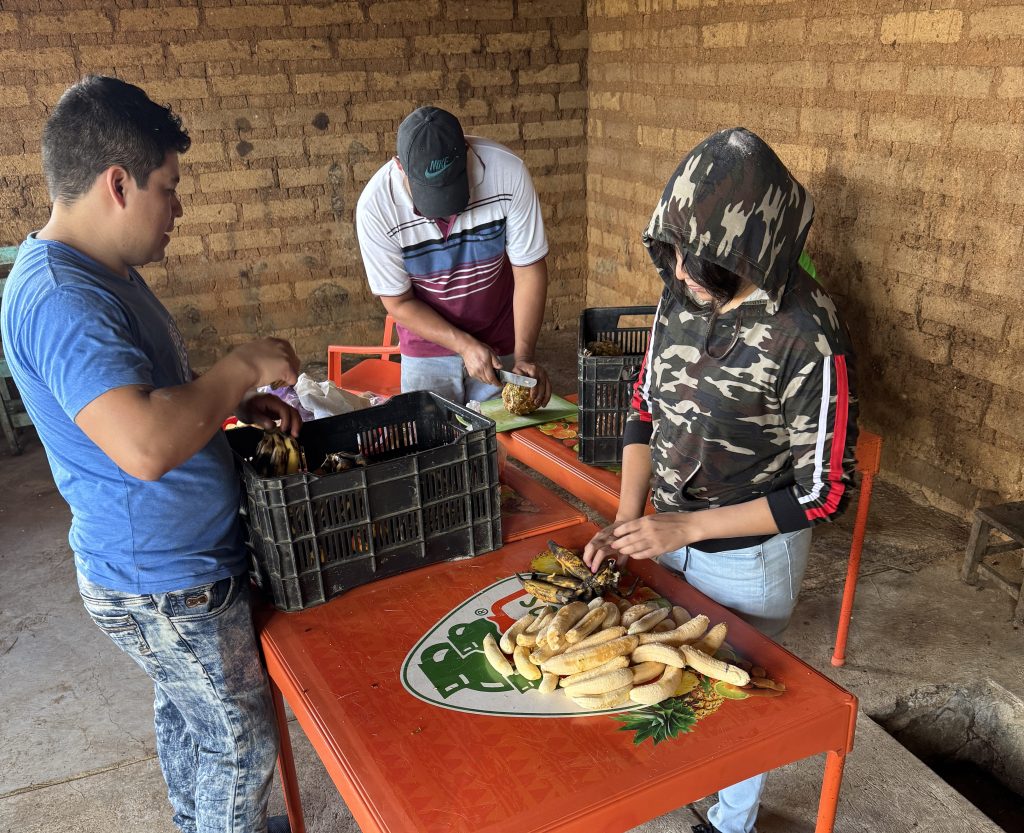
As explained in Eater’s guide to mezcal de pechuga, the ingredients surrounding the protein can play a major role in the finished spirit. The meat itself is only one part of a much bigger picture. And that is where things get interesting.
If you thought mezcal was just smoke, agave, and a little citrus, pechuga is here to challenge your palate. Depending on the recipe, pechuga can be fruity, savory, floral, rich, or surprisingly delicate. The result is not always necessarily meaty or greasy.
A Mezcal Made for Celebrations
Historically, pechuga was often reserved for special occasions rather than everyday drinking. Weddings, baptisms, quinceañeras, harvest celebrations, and Día de Muertos are among the occasions associated with this distinctive style. Essentially, it was the mezcal brought out only during monumental events.
In many traditional settings, producers made special batches using family recipes and ingredients available during a particular season. The extra work and ingredients made these expressions different from the mezcal produced for regular consumption.
For more on this history, Distiller’s article, “Pechuga Mezcal: A Celebration of the Harvest,” explores its connection to harvest season, family traditions, and special occasions.
Of course, there is no single recipe followed by every mezcalero. That is part of the beauty of the tradition. Different communities, families, and producers have their own methods, ingredients, and interpretations.
What was once a relatively uncommon, occasion specific spirit is now sought after by collectors, bartenders, and curious drinkers looking for something beyond the usual bottle. Producers have also pushed the category in new directions, experimenting with different proteins and ingredients.
5 Pechuga Mezcals We’ve Tasted and Recommend
1. Paquera Wagyu Pechuga – $230
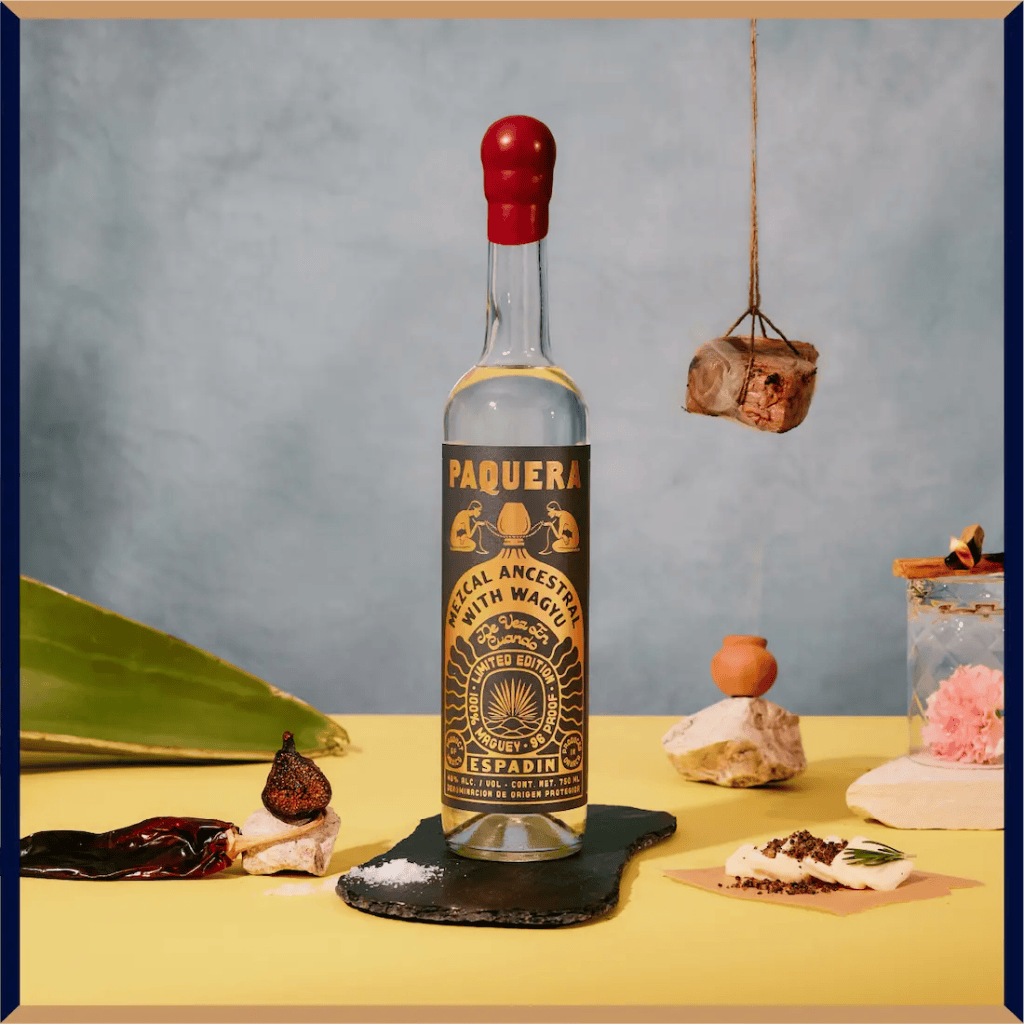
This unique ancestral mezcal features open-range Tajima Wagyu from Yellowstone Wagyu, a Montana ranch owned by Paquera partner Brian Arrington. Inspired by traditional pechuga production, the Wagyu is suspended in the clay pot during the first 14 hours of distillation, allowing its flavors to drip into the spirit. The result is a distinctive mezcal with rich, savory notes and a remarkably buttery finish.
For adventurous drinkers, it is a reminder that pechuga is not a fixed recipe. Producers can explore new ingredients while working within the broader tradition of special distillations.
2. Salvadores Buffalo Pechuga – $157
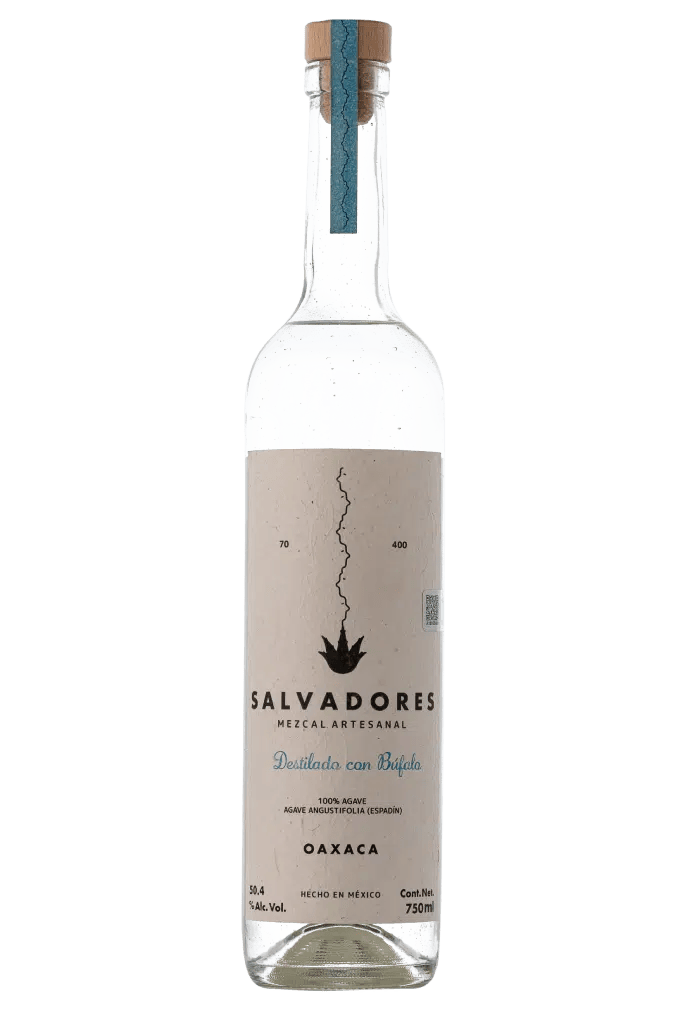
Buffalo brings another unexpected twist to the category.
Salvadores Buffalo Pechuga is a bottle worth seeking out if you want to explore how far producers are willing to push the idea of pechuga. It sits outside the familiar chicken and turkey territory and offers another perspective on the creativity found across the category. Lookout for vegital, green falor notes.
If your mezcal collection already includes the usual suspects, this is the kind of expression that can make things interesting again.
3. La Jicarita Pechuga de Pavo – $70
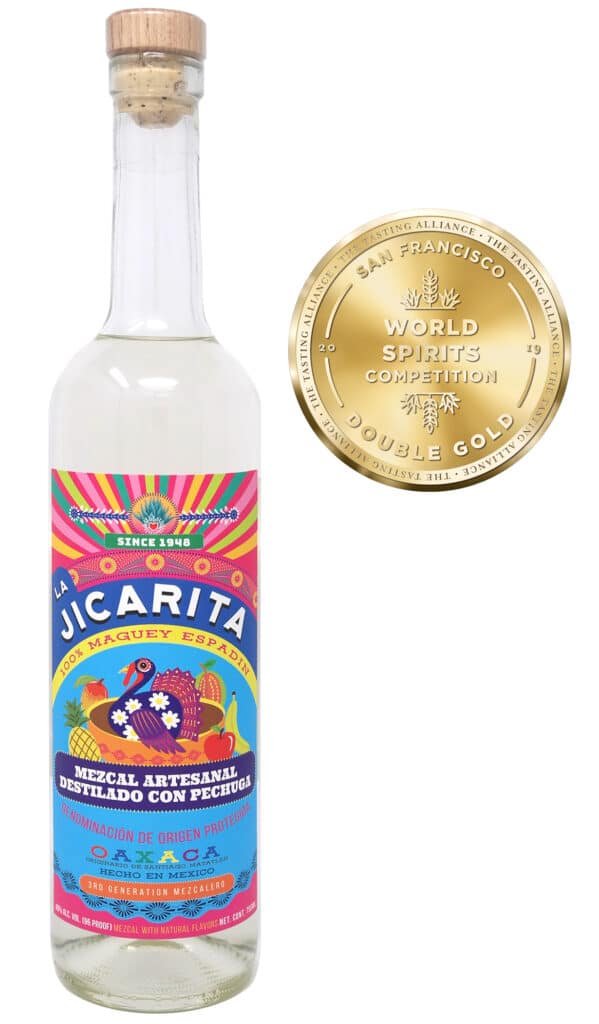
Sometimes, you have to return to the classics.
Pavo means turkey in Spanish, and turkey is one of the proteins traditionally associated with pechuga. La Jicarita Pechuga de Pavo is our recommendation for anyone interested in exploring that familiar side of the style.
Traditional does not mean boring. The recipe, the fruit, the spices, the agave, and the producer’s technique all contribute to the final spirit. The protein is only one piece of the puzzle.
For drinkers discovering pechuga for the first time, a turkey based expression is a great place to start. This bottle is affordable and delicious.
4. Lucero Borrego Pechuga – $250
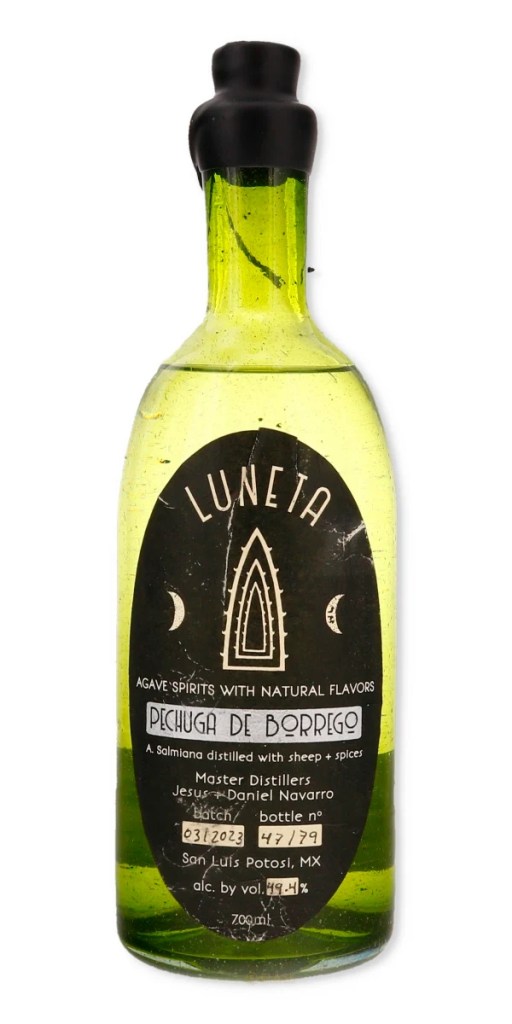
Borrego means lamb in Spanish, making Lucero Borrego another distinctive expression to explore.
Lamb takes the category in a different direction from the more familiar poultry based recipes. It also demonstrates why pechuga is such an interesting subject for anyone who enjoys learning about the production of spirits.
The real appeal is the opportunity to compare different interpretations of the tradition and discover how producers approach their recipes. Lookout for deep vibrant flavor.
If you enjoy the unconventional side of mezcal, Lucero Borrego belongs on your radar.
5. Del Maguey Ibérico Pechuga – $210
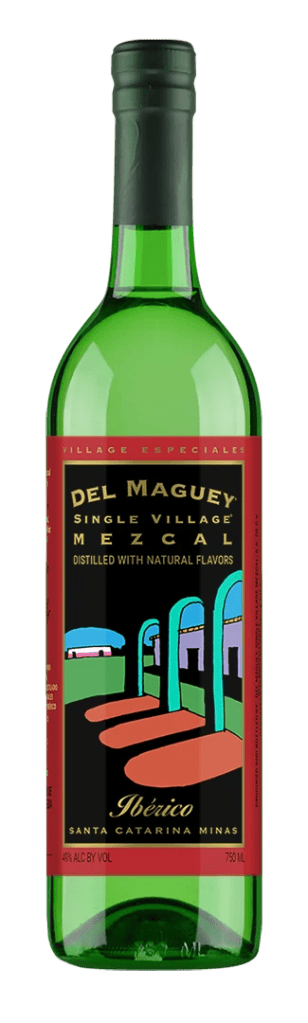
If there is one bottle that illustrates how pechuga can connect traditional distillation with culinary creativity, it is Del Maguey Ibérico Pechuga.
Developed in collaboration with renowned Spanish chef José Andrés, this expression incorporates Ibérico ham into the pechuga tradition. The collaboration demonstrates how a traditional technique can inspire a distinctive modern interpretation without losing sight of its roots.
Wine Enthusiast discusses the collaboration and the use of Ibérico ham in its article, “Meet Pechuga, the Mezcal Made with Raw Chicken.”
It is a particularly interesting bottle for anyone curious about the intersection of agave spirits, food, and experimentation. Lookout for rich playful flavor.
Why Some Mezcal Purists Are Not Convinced
Some mezcal enthusiasts prefer their spirits as close to the agave as possible. They want to explore the plant variety, the growing conditions, the roasting method, the fermentation, and the distillation without additional ingredients influencing the final result.
That perspective makes sense. Understanding the agave itself is an important part of appreciating mezcal. But we do not believe that enjoying pechuga means you appreciate traditional mezcal any less. There is something exciting about a spirit that can surprise you before you even take a sip.
Is Pechuga Still Rare?
Pechuga remains a relatively specialized category, particularly when compared with everyday mezcal expressions. Traditional batches may be produced in limited quantities, and some are made seasonally or for particular occasions.
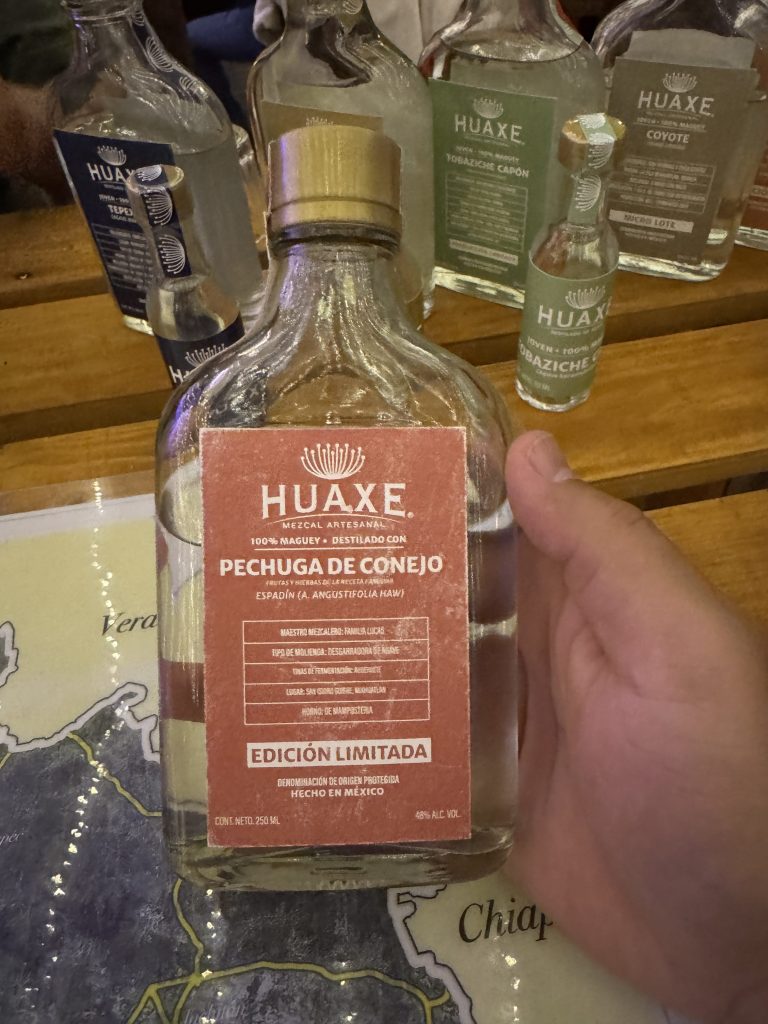
However, growing demand has encouraged more brands to release pechuga expressions for commercial sale. It is no longer quite the hidden gem it once was for many international drinkers.
That is not necessarily a bad thing. Greater interest can introduce more people to the tradition and create opportunities for producers. The important thing is to keep the conversation focused on craftsmanship, transparency, and the people who make these spirits.
The rarest bottle is not automatically the best bottle. And an unusual protein does not guarantee an exceptional mezcal. What matters is the entire experience, from the agave and the production process to the recipe and the finished spirit.
So the next time you see a pechuga made with turkey, lamb, buffalo, Wagyu, or Ibérico ham, do not dismiss it because the ingredient sounds unusual. Don’t knock it till you try it!


Leave a Reply